Iceland in September and October: The Complete Shoulder Season Playbook
By Marcus Bell | August 19, 2026
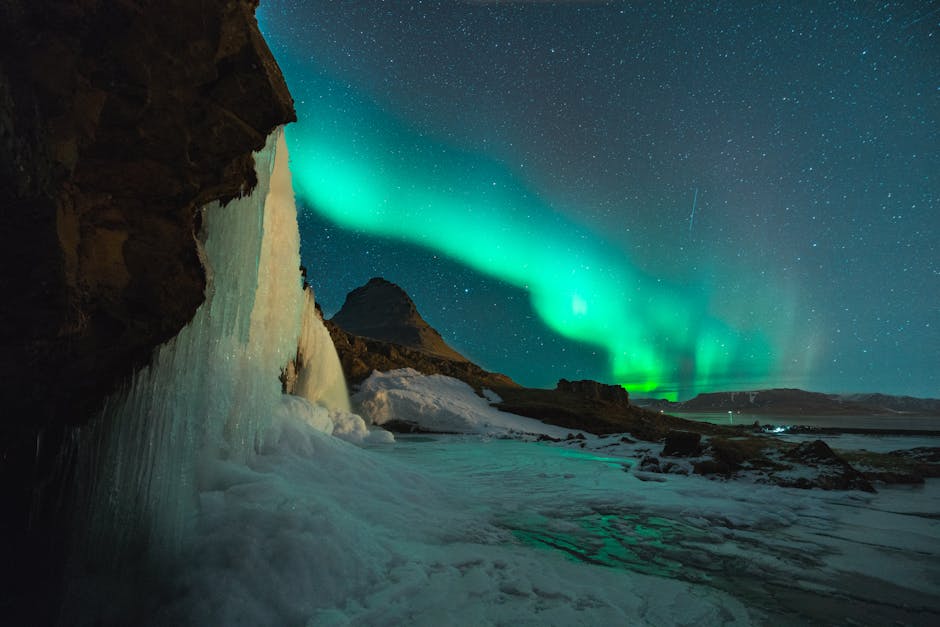
Visiting Iceland during the autumn shoulder season balances lower costs with workable daylight. Summer crowds clear out, accommodation prices fall by 20% to 35%, and night hours return — opening the window for Northern Lights viewing while Ring Road driving conditions remain manageable.
Tags: Iceland, Shoulder Season, Northern Lights, Road Trip, Budget Travel, Photography, Autumn Travel, Driving Guide
Key Takeaways
- Iceland's shoulder season (September–October) offers 20–35% lower accommodation and car rental costs compared to peak summer, with 9–13 hours of workable daylight and Northern Lights viewing without sub-zero winter extremes
- By October 1, a 4WD vehicle (Dacia Duster, Toyota RAV4) becomes essential due to black ice on northern mountain passes (Öxi Pass, Öræfi district) and sudden snowfall; a 2WD hatchback suffices in September only if staying strictly on the Ring Road
- Monitor road.is twice daily for real-time road closures and ice reports, and vedur.is for yellow/red wind warnings — gusts over 40 m/s can rip open rental car doors; park facing into the wind
- Northern Lights viewing begins in September with dark skies returning around 22:00, and improves in October with dark skies by 20:00; use the vedur.is Aurora forecast layer to target cloud-cover gaps
- Highland F-roads (such as F208 to Landmannalaugar) usually remain open until mid-September with a 4x4 and mandatory gravel protection insurance; by October they are strictly closed and impassable
Article
Visiting Iceland during the autumn shoulder season (September 1 through October 31) balances lower costs with workable daylight. Summer crowds clear out, accommodation prices fall by 20% to 35%, and night hours return — opening the window for Northern Lights viewing while Ring Road driving conditions remain manageable.

| Season | Cost | Daylight | Aurora | Road Conditions | Crowds |
|---|---|---|---|---|---|
| Summer (Jun–Aug) | High | 24 hours | None | All roads open | Heavy |
| Shoulder (Sep–Oct) | 20–35% lower | 9–13 hours | Good | Moderate (watch for ice) | Moderate |
| Winter (Nov–Feb) | Low | 4–5 hours | Good | Ice and F-road closures | Light |

## Month-by-Month Environmental Matrix

| Parameter | September | October |
|---|---|---|
| Average High / Low | 10°C / 4°C (50°F / 39°F) | 7°C / 2°C (45°F / 36°F) |
| Daylight Hours | 13.5 hours (early) to 11.5 hours (late) | 11 hours (early) to 8.5 hours (late) |
| Aurora Probability | Moderate (dark skies return ~22:00) | High (dark skies return ~20:00) |
| Ring Road Accessibility | Fully Open (100%) | Open (Watch for spot ice on mountain passes) |
| Highland F-Roads | Closing mid-to-late month | Strictly Closed / Impassable |
| Car Rental Drops vs. Peak | 20%–30% discount | 30%–40% discount |

## Key Operational Advantages

### Northern Lights Access Without Sub-Zero Extremes

September brings solar activity over dark nights without the deep winter cold (-10°C) or dangerous ice storms common in January.

### Highland F-Road Access (Early September)

F-roads (such as F208 to Landmannalaugar) usually remain open until mid-September. A 4x4 vehicle with mandatory gravel protection insurance is required.

### Fall Foliage & Low-Angle Light

Mossy lava fields turn yellow and deep amber, offering distinct photographic conditions in regions like Thingvellir National Park and the Snæfellsnes Peninsula.

## Logistics, Driving Protocols, and Hazards

### Vehicle Selection Strategy

In September, a standard 2WD hatchback suffices if staying strictly on Route 1 (The Ring Road). By October 1, a 4WD vehicle (e.g., Dacia Duster, Toyota RAV4) becomes essential due to black ice on northern mountain passes (Öxi Pass, Öræfi district) and sudden snowfall.

### Mandatory Road Monitoring Platforms

- **Road Conditions:** Check [road.is](https://www.road.is) twice daily for real-time wind speeds, road closures, and ice reports.
- **Weather Alerts:** Monitor [vedur.is](https://www.vedur.is) for yellow/red wind warnings. Gusts over 40 m/s can rip open rental car doors; park facing into the wind.
- **Aurora Tracking:** Use the vedur.is Aurora forecast layer to target cloud-cover gaps (Green = Cloud cover, White = Clear sky).

## Average Daily Cost Breakdown (Mid-Range)

| Expense Category | Shoulder Season Cost | Peak Summer Cost |
|---|---|---|
| 4WD SUV Rental | $65–$90/day | $150–$220/day |
| Guesthouse / Mid-Range Hotel | $120–$180/night | $250+/night |
| Gasoline / Diesel | ~$2.15/liter ($8.10/gal) | ~$2.15/liter |
| Self-Catering Food Budget | $35/day (Bónus or Krónan) | $35/day |

For help modeling the full cost of an Iceland trip — flights, car rental, accommodation and daily expenses — use our cost estimator. And for keeping your luggage under airline weight limits when flying to Reykjavik, see our luggage weight & packing estimator.

## Key Takeaway

Iceland's shoulder season (September–October) offers 20–35% lower accommodation and car rental costs compared to peak summer, 9–13 hours of workable daylight, and Northern Lights viewing without sub-zero winter extremes. By October 1, switch to a 4WD vehicle for black ice on northern mountain passes, and monitor road.is and vedur.is twice daily for road closures and wind warnings.

## Related Triprz Guides

- How to Find Cheap Flights — strategies for booking cheaper flights to Reykjavik
- The Travel eSIM Guide — avoid roaming charges in Iceland
- How to Pack for Backpacking — the full packing checklist for outdoor travel
- Lightweight Backpacking Gear — keep your pack light for Iceland's trails
- Luggage Weight & Packing Estimator — check your bags against airline limits
- Trip Cost Estimator — model your full Iceland trip cost

## Official Resources

- [Icelandic Road and Coastal Administration — road.is](https://www.road.is) — official real-time road conditions, wind speeds, road closures, and ice reports for all Icelandic roads including the Ring Road and F-roads
- [Icelandic Met Office — vedur.is](https://www.vedur.is) — official weather forecasts, wind warnings, and Northern Lights aurora forecast with cloud-cover mapping
Back to Blog | Back to Triprz