Destination of the Day: Antigua, Guatemala
By Triprz Editorial Team | October 8, 2026
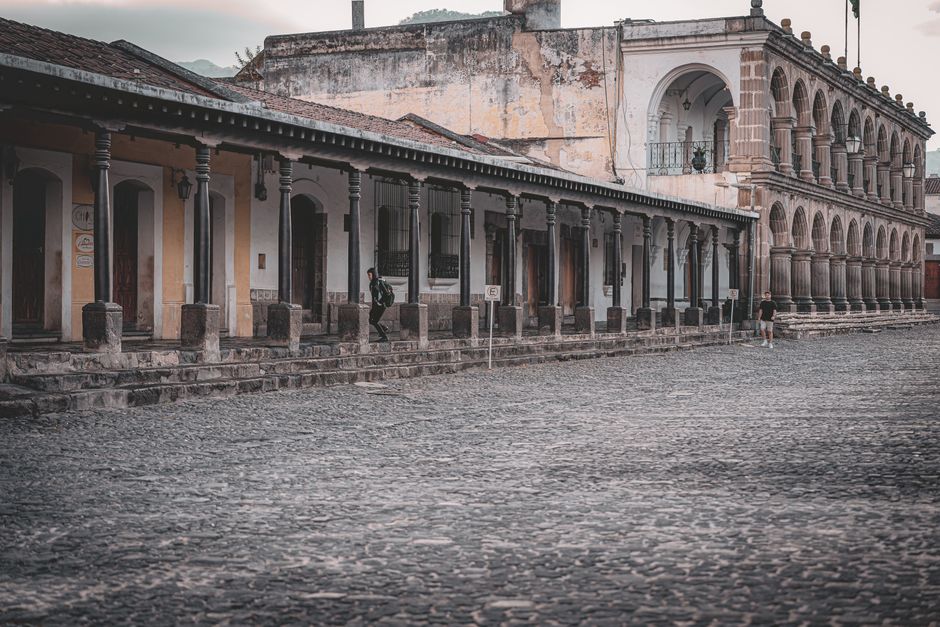
Antigua Guatemala blends Spanish colonial ruins, cobblestone streets, and volcano views in a UNESCO World Heritage town beneath Agua, Fuego, and Acatenango.
Tags: Antigua, Guatemala, Destination of the Day, Travel Guide, 2026, hot, Central America
Article
## Why Antigua?

Antigua Guatemala is one of the most beautifully preserved colonial cities in the Americas. Founded in 1543 as Santiago de los Caballeros, it served for over two centuries as the capital of the Spanish Captaincy General of Guatemala — an administrative territory that encompassed most of Central America and southern Mexico. The city thrived as a political, religious, and cultural center until 1773, when the devastating Santa Marta earthquakes leveled much of it and the Spanish Crown ordered the capital moved to what is now Guatemala City. What remained was a city frozen in time: grid-plan cobblestone streets, pastel-colored facades, and the roofless shells of churches, convents, and monasteries that were never rebuilt. UNESCO inscribed it as a World Heritage Site in 1979.

The setting is cinematic. Antigua sits in a valley at 1,500 meters, ringed by three volcanoes: Volcán de Agua (3,760 m, dormant and perfectly cone-shaped), Volcán de Fuego (3,763 m, one of the most active volcanoes in the Americas), and Acatenango (3,976 m, a challenging overnight hike that rewards with front-row views of Fuego's eruptions). The climate is "eternal spring" — daytime temperatures hover between 20 and 27 degrees year-round, with cool, crisp nights.

Today Antigua is both a living city and an open-air museum. It is one of the most popular places in Latin America to learn Spanish — dozens of immersion schools operate here — and it draws travelers for volcano hiking, coffee finca tours, and what is arguably the most spectacular Holy Week (Semana Santa) celebration in the world. The processions over elaborate alfombras — carpets of dyed sawdust, flowers, and pine needles laid fresh each morning — draw tens of thousands of visitors each March or April.

## Top 5 Things to Do

1. **Explore the colonial ruins** — Antigua's destroyed churches and convents are its signature attraction. The Catedral San José on the Central Park preserves its facade and a cluster of ruined chapels you can walk through. Convento de las Capuchinas, designed by Diego de Porres in the 1730s, is the most atmospheric — its circular nuns' cells and rooftop terrace are unforgettable. Convento de Santa Clara and Iglesia de la Merced round out the set.

2. **Hike Volcán Acatenango** — The two-day trek to Acatenango's summit is one of the great volcano hikes in the world. You camp at 3,600 meters and watch neighboring Fuego erupt through the night — lava fountains, glowing rivers, and booms you feel in your chest. It is physically demanding and weather-dependent, but the payoff is extraordinary.

3. **Photograph the Santa Catalina Arch** — The iconic yellow arch on 5th Avenue North was built in the 17th century so nuns could cross the street unseen. Today it frames Volcán de Agua perfectly. Arrive early — by 8 AM the street fills with tourists and vendors.

4. **Visit a coffee finca** — Antigua is surrounded by shade-grown coffee plantations on volcanic slopes. Finca La Azotea, just outside town, offers tours explaining the bean-to-cup process alongside a small music museum. The Antigua coffee designation of origin is one of Guatemala's most prized agricultural products.

5. **Experience Semana Santa** — If you visit during Holy Week, you will witness the largest Easter procession in the world. Hundreds of purple-robed penitents carry enormous wooden floats through streets carpeted with intricate alfombras. Book accommodation months ahead — prices triple and rooms sell out by January.

## When to Go

Antigua's "eternal spring" climate makes it visitable year-round, but the dry season from November to April is the most comfortable — sunny days, cool nights, and clear volcano views. December through February is the peak: crisp, dry, and busy. The rainy season runs from May to October, with brief afternoon downpours that rarely last more than a few hours — landscapes are lush and green, and crowds and prices drop. March and April can be hot and dusty at the tail end of the dry season. Semana Santa (March or April, dates vary) is spectacular but the most crowded and expensive week of the year.

| Season | Months | Temp (°C) | Conditions |
|--------|--------|-----------|------------|
| Dry season | Nov–Apr | 20–27 | Sunny, cool nights, clear views |
| Rainy season | May–Oct | 18–25 | Afternoon showers, lush, fewer crowds |
| Best window | Dec–Feb | 18–25 | Crisp, dry, peak season |
| Semana Santa | Mar/Apr | 20–28 | Processions, alfombras, very crowded |

## Daily Costs

Guatemala is one of the cheapest countries in Central America, and Antigua — despite its tourist popularity — remains affordable. The quetzal trades low against the dollar, and competition among guesthouses, language schools, and tour operators keeps prices reasonable. Volcano hikes are the main splurge.

| Category | Budget | Mid-Range |
|----------|--------|-----------|
| Accommodation | $10–20 (hostel dorm or basic private) | $50–90 (boutique guesthouse) |
| Food | $5–10 (street, c

[...]
Back to Blog | Back to Triprz